

Understanding the psychology behind casino games and player behavior
The Allure of Chance: Why Players are Drawn to Casino Games
The thrill of chance is a fundamental element that draws players to casino games. The unpredictable nature of games, such as slot machines or poker, ignites a sense of excitement that can be hard to resist. This unpredictability triggers a psychological response that often leads individuals to seek out these activities repeatedly, as they anticipate the possibility of a big win. The excitement of gambling feeds into the adrenaline rush that many players crave, making it an attractive pastime. Interestingly, for those looking for a more seamless experience, options like no kyc bitcoin casino have emerged, appealing to tech-savvy gamblers.
Additionally, the design of casino games is meticulously crafted to enhance this allure. Bright lights, engaging sounds, and visually appealing graphics all work in tandem to create an immersive environment. This sensory stimulation heightens the emotional experience of players, further encouraging them to engage in gameplay. Understanding this aspect of player attraction is crucial for recognizing how casinos thrive on the psychology of desire and anticipation.
Reward Systems: The Role of Reinforcement in Gambling Behavior
Casinos utilize reward systems to engage and retain players. The variable ratio reinforcement schedule, where rewards are unpredictable and not guaranteed, creates a tantalizing environment where players are motivated to continue playing in hopes of winning. This psychological principle draws from behaviorist theories that suggest humans are more likely to repeat behaviors that are intermittently rewarded. As players experience small wins amidst a series of losses, their brain releases dopamine, reinforcing the gambling behavior.
This mechanism can create a cycle of addiction for some individuals. The desire for a larger payout after experiencing minor successes can lead to increased time and money spent in casinos. Recognizing the psychological impact of these reward systems is essential for understanding the challenges some players face when it comes to responsible gambling.
The Social Aspect of Gambling: Community and Competition
Gambling is often portrayed as a solitary activity, but in reality, it can be a highly social experience. Many players enjoy the communal atmosphere found in casinos, where interactions with other players and dealers enhance the thrill of the game. Social connections can serve as a motivating factor for participation in gambling, as players share in the excitement and suspense of the outcomes together.
Furthermore, competition plays a significant role in player behavior at casinos. The desire to outperform others, whether at a table game or a sports betting event, can intensify the gaming experience. This competitive spirit feeds into the overall psychological enjoyment and reinforces continued participation in casino activities. Understanding these social and competitive elements helps explain why many individuals are drawn to the casino environment.
The Dangers of Escapism: Psychological Risks Associated with Gambling
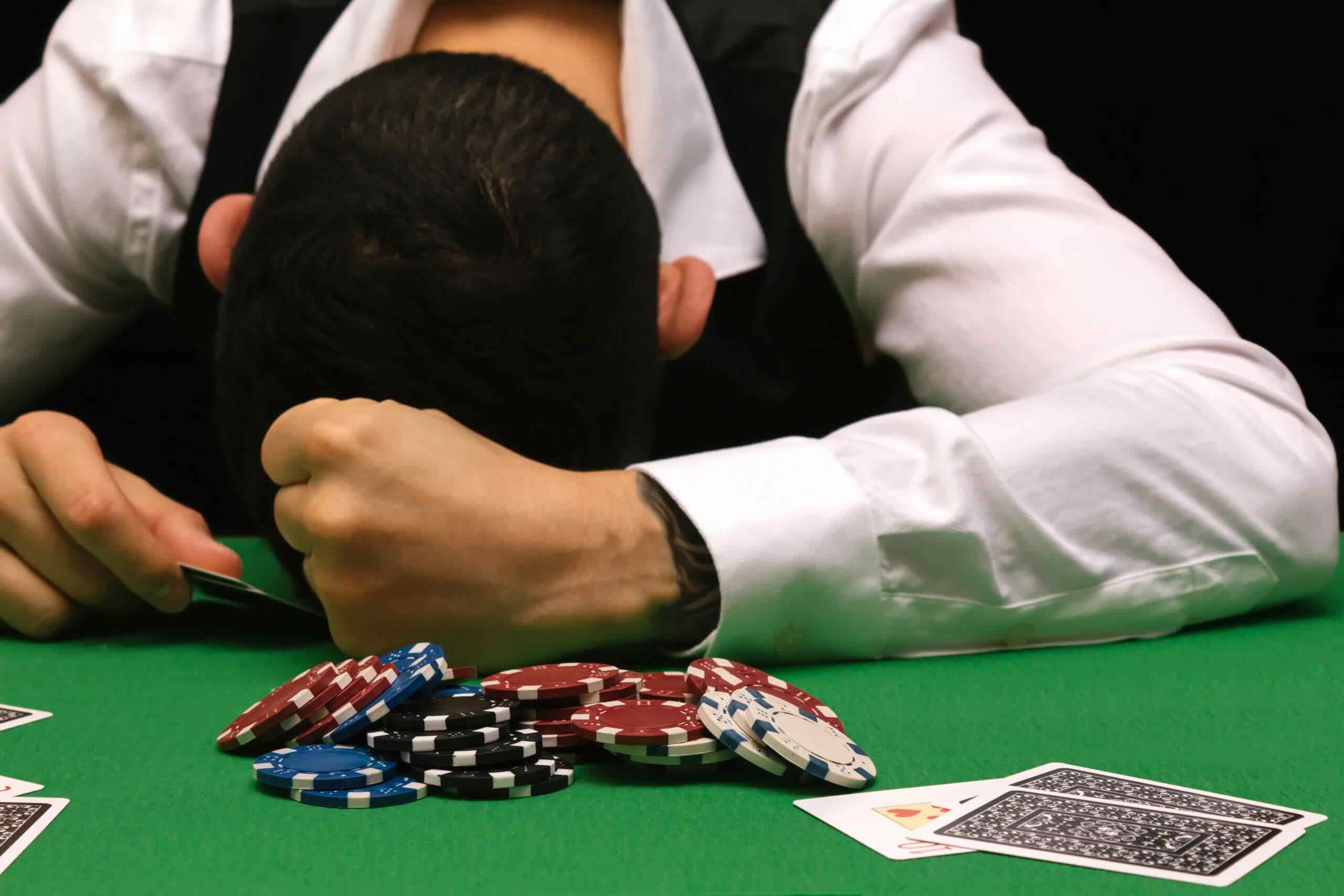
While gambling can provide an enjoyable escape for many, it also carries inherent risks. For some individuals, the act of gambling becomes a coping mechanism used to escape from stress, anxiety, or dissatisfaction with life. This reliance on gambling as a form of escapism can lead to negative consequences, including financial difficulties and strained relationships. Understanding these risks is vital for players and their loved ones, as it can aid in recognizing when gambling behavior has crossed a line into unhealthy territory.
Moreover, the normalization of gambling in popular culture can further perpetuate these risks. With portrayals of glamorous lifestyles linked to gambling, individuals may overlook the potential for addiction and financial harm. Raising awareness about the psychological dangers of gambling is essential for promoting responsible gaming practices and protecting vulnerable individuals.

Conclusion: Insights into Player Behavior and Responsible Gambling
In conclusion, understanding the psychology behind casino games and player behavior delves into the complexities of human motivation and emotion. From the allure of chance to the effects of reward systems, various psychological factors influence how individuals engage with gambling. While these elements can create thrilling experiences, they also come with risks that warrant careful consideration.
As awareness grows around responsible gambling initiatives, it is important for players to be informed about the psychological underpinnings of their behavior. By arming themselves with knowledge, individuals can make more informed decisions and seek help when needed, fostering a healthier relationship with gambling. The exploration of these themes is vital in promoting a safer and more enjoyable gaming environment for everyone.
